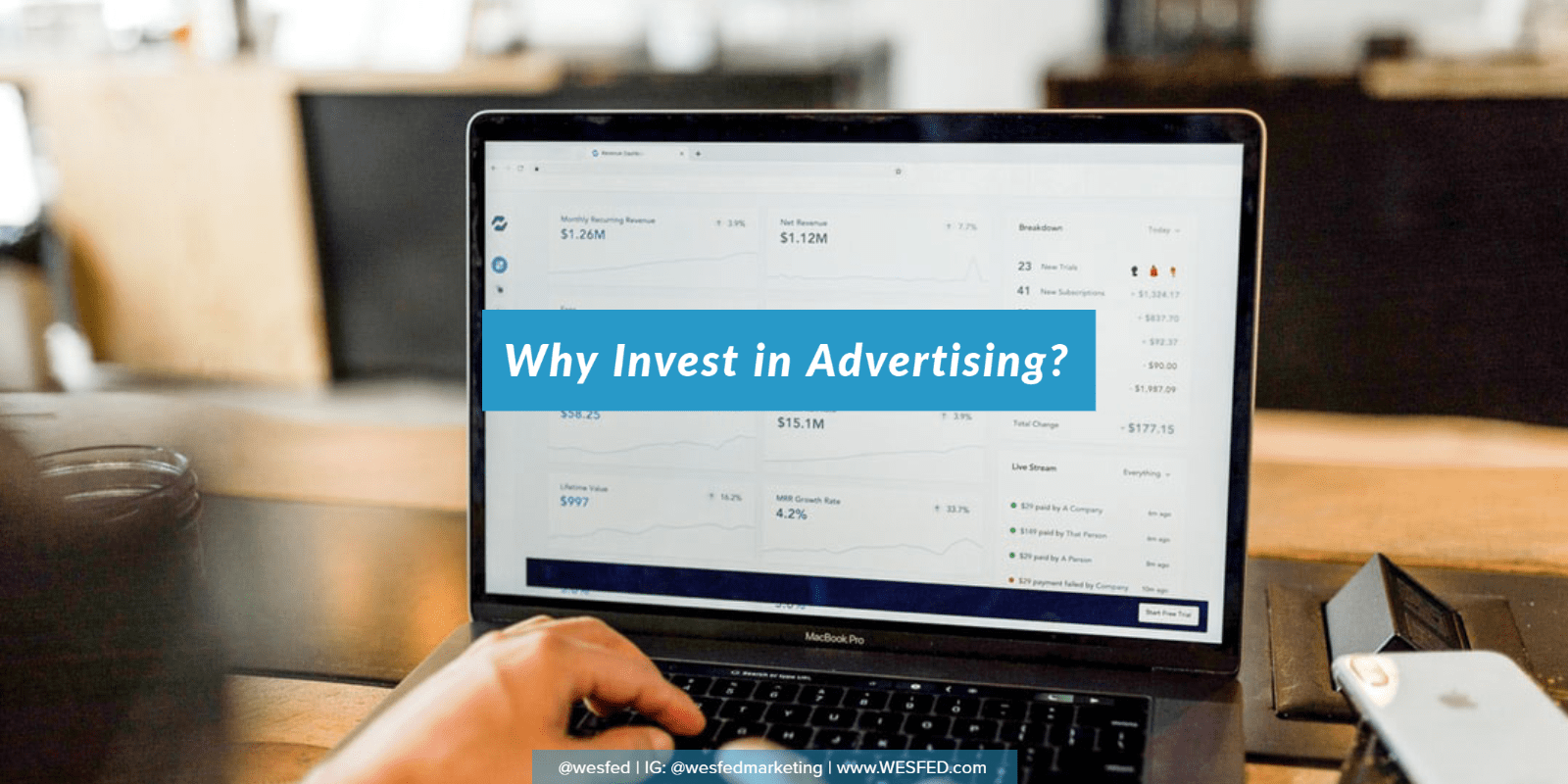
How important is advertising for a small business? More than most owners want to admit. Small businesses run on tight budgets, and advertising is usually the first line item to get cut. The problem is that small business online advertising is often the very thing that separates the companies that grow from the ones that stall.
Henry Ford put it plainly: “A man who stops advertising to save money is like a man who stops a clock to save time.” Advertising is not an expense. It is an investment, and a measurable one. A common rule of thumb is to commit a fixed percentage of projected revenue to marketing, even if it starts small, and treat it as non-negotiable.
Still not convinced? Here are six reasons advertising deserves a place in your small business budget.
1. Online Advertising Gives You Instant Feedback
When you run ads across different platforms, you can see exactly which ones make the phone ring. Google Ads and Meta’s Ads Manager show you:
- Who is seeing and clicking your ads
- Which days and times get the most response
- Which devices people use to view and respond
- What each lead or sale actually costs you
That last point is the big one. Old-school advertising (radio, print, billboards) never told you what worked. Online advertising for small businesses does, down to the dollar. If a campaign is not producing, you see it within days and adjust instead of burning the budget for a quarter.
2. Advertising Builds Credibility
Advertising signals to customers and to your competitors that you are open, active, and confident in what you sell. A business people see regularly feels established. A business they never see feels like a gamble.
You may have excellent products or services, but without a visible brand, customers have no reason to pick you over the company they have seen ten times this month. Consistent advertising, with the same name, logo, and message everywhere, builds that familiarity over time.
3. Ads Put You in Front of the Right People
The biggest advantage of small business online advertising is targeting. Platforms like Google and Meta let your ads reach people by location, demographics, interests, and search intent. If you sell trendy sneakers, your ads go to the people most likely to buy trendy sneakers.
Because you typically pay per click, the platforms have a built-in incentive to show your ads to people likely to respond. You can also retarget people who visited your website but did not buy, which is often the cheapest conversion you will ever get.
This is where small businesses genuinely compete with big ones. You do not need their budget. You need better aim.
4. Advertising Keeps Your Customers in the Loop
When something changes in your business, ads are the fastest way to tell everyone at once. Use them to announce:
- New products or services
- Changes to what you offer
- Upcoming events and promotions
- Sales and seasonal offers
If a loyal customer drives to your location for a service you quietly discontinued, that is a customer service failure. A simple ad campaign to your existing audience prevents it.
5. Advertising Drives Traffic, Online and In-Store
Most shoppers research online before they buy, even when the purchase happens in a physical store. When someone in your area searches for what you sell, advertising puts your business at the top of that page while your SEO works on earning the spot organically.
The two work best together. Ads deliver traffic today. Search optimization compounds over time so you rely on paid clicks less each year. And with more people asking ChatGPT and Google’s AI Overviews for recommendations, the businesses that show up everywhere, paid and organic, are the ones that get remembered.
6. Advertising Helps You Earn Reviews
Buyers judge businesses by their reviews before spending a dime. But happy customers cannot review you if they never find you. Advertising starts that flywheel: ads bring in new customers, new customers leave reviews, and a strong online reputation makes every future ad convert better.
You can even feature real customer reviews inside your ads, which pairs the reach of paid media with the trust of word of mouth.
How Much Should You Spend?
There is no single right number, but the wrong number is zero. Start with a percentage of revenue you can sustain, measure cost per lead from day one, and scale what works. If you are not sure where to begin, our guide to setting a small business marketing budget walks through it.
Get a Real Strategy Before You Spend
The fastest way to waste an ad budget is to run ads without a plan: no tracking, no landing page, no follow-up. The fastest way to make one pay is to have someone who has done it for 18 years look at your business first.
Book a strategy call with us and we will tell you where advertising fits in your growth plan, and where it does not.
FAQ
Why is advertising important for a small business?
Because visibility drives revenue. Advertising puts your business in front of buyers who do not know you exist yet, builds credibility through repeated exposure, and, done online, gives you measurable data on exactly what each customer costs to acquire.
How much should a small business spend on advertising?
A common starting point is a small, fixed percentage of projected revenue, adjusted for how aggressive your growth goals are. What matters more than the exact number is consistency and measurement: track cost per lead and shift budget toward whatever produces it cheapest.
What is the best way to advertise a small business online?
For most local businesses, start with Google Ads on high-intent searches and Meta ads for awareness and retargeting, backed by a website that converts visitors. Pair paid ads with SEO so you gradually depend on them less.